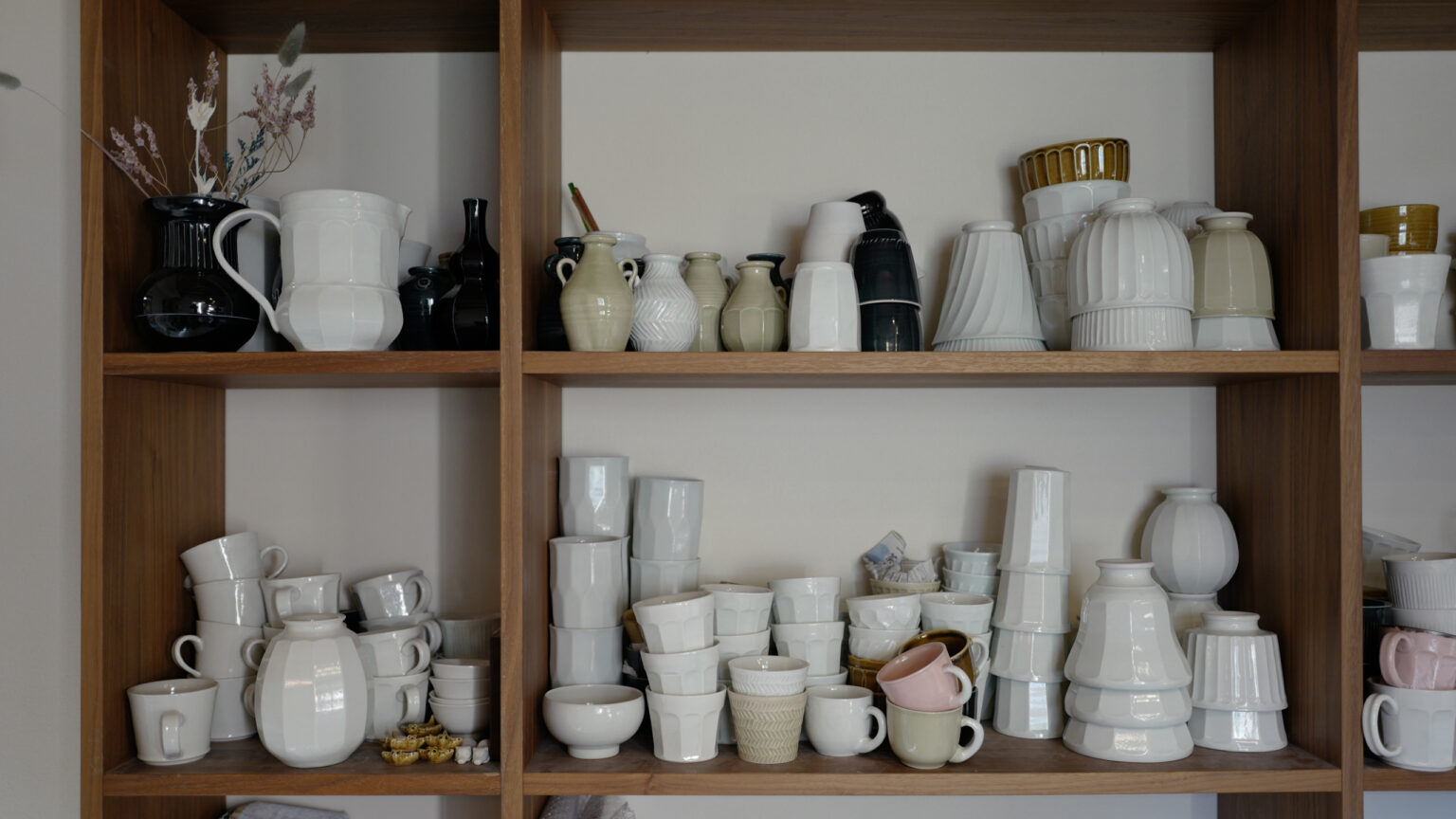
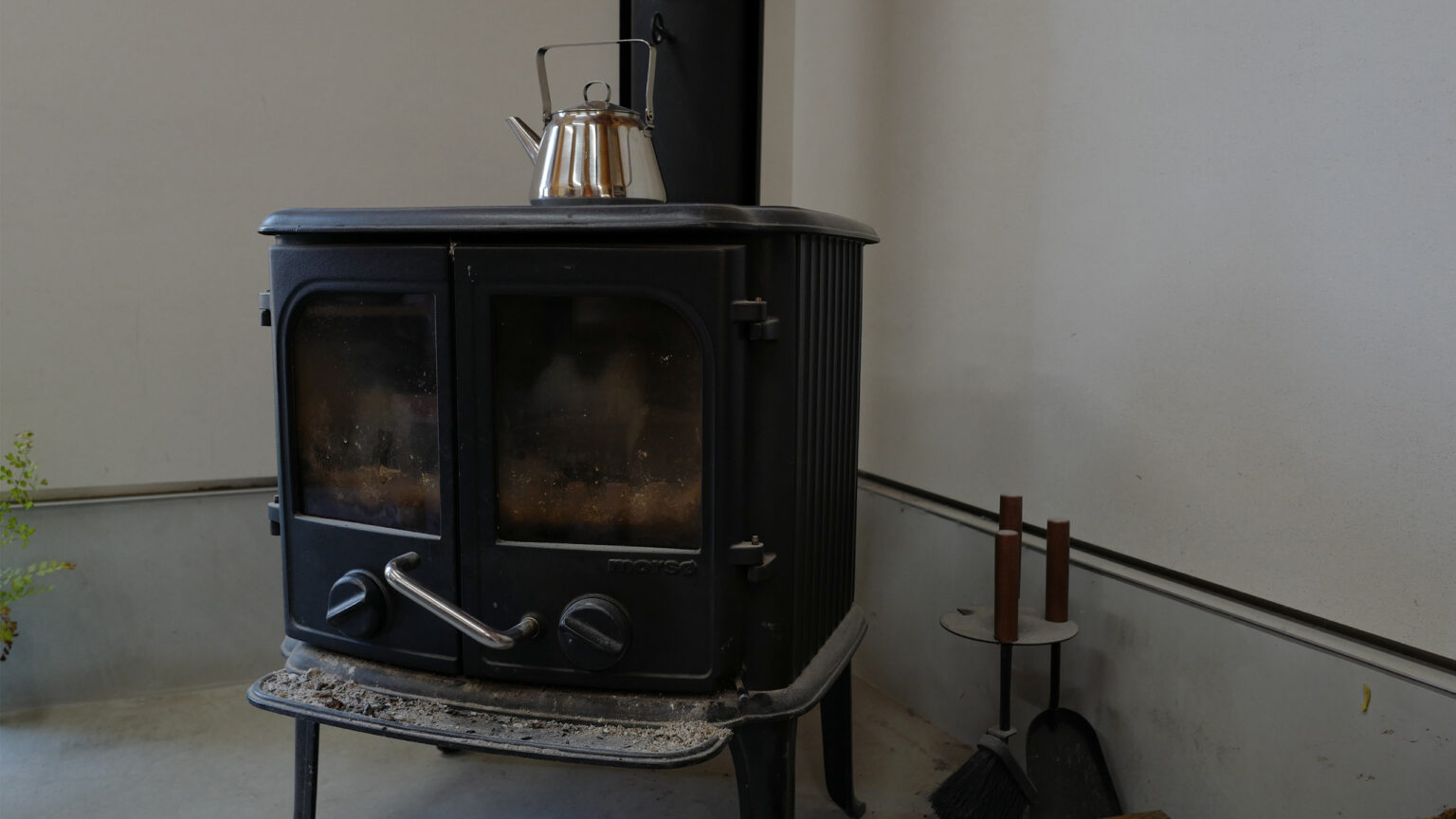
日用とそうでないものの線引きは「緊張しないで手に取れるか」
What separates the everyday from everything else is whether it can be picked up without tension.
簡単に自己紹介をお願いします。
Could you start by introducing yourself briefly?
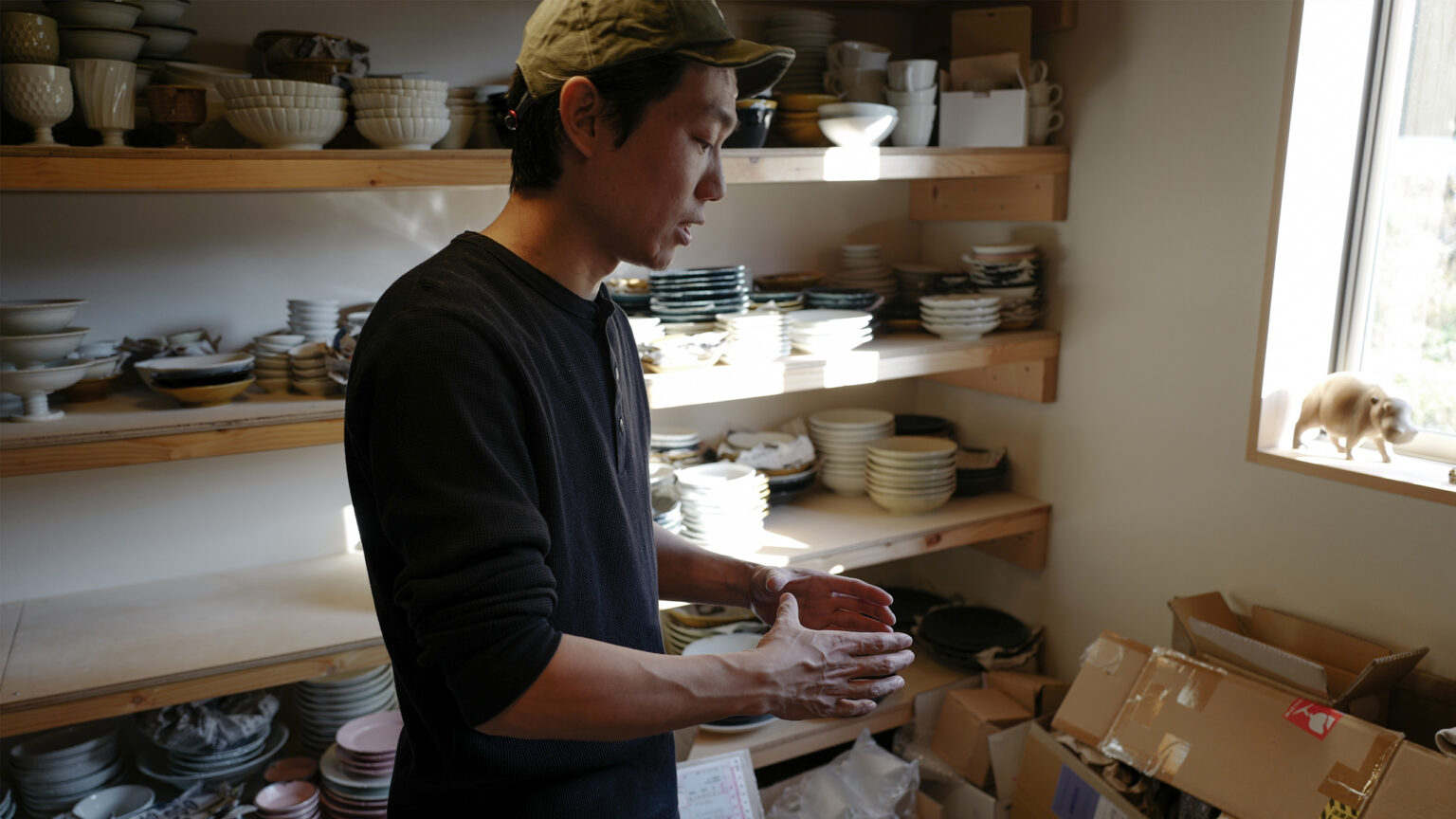
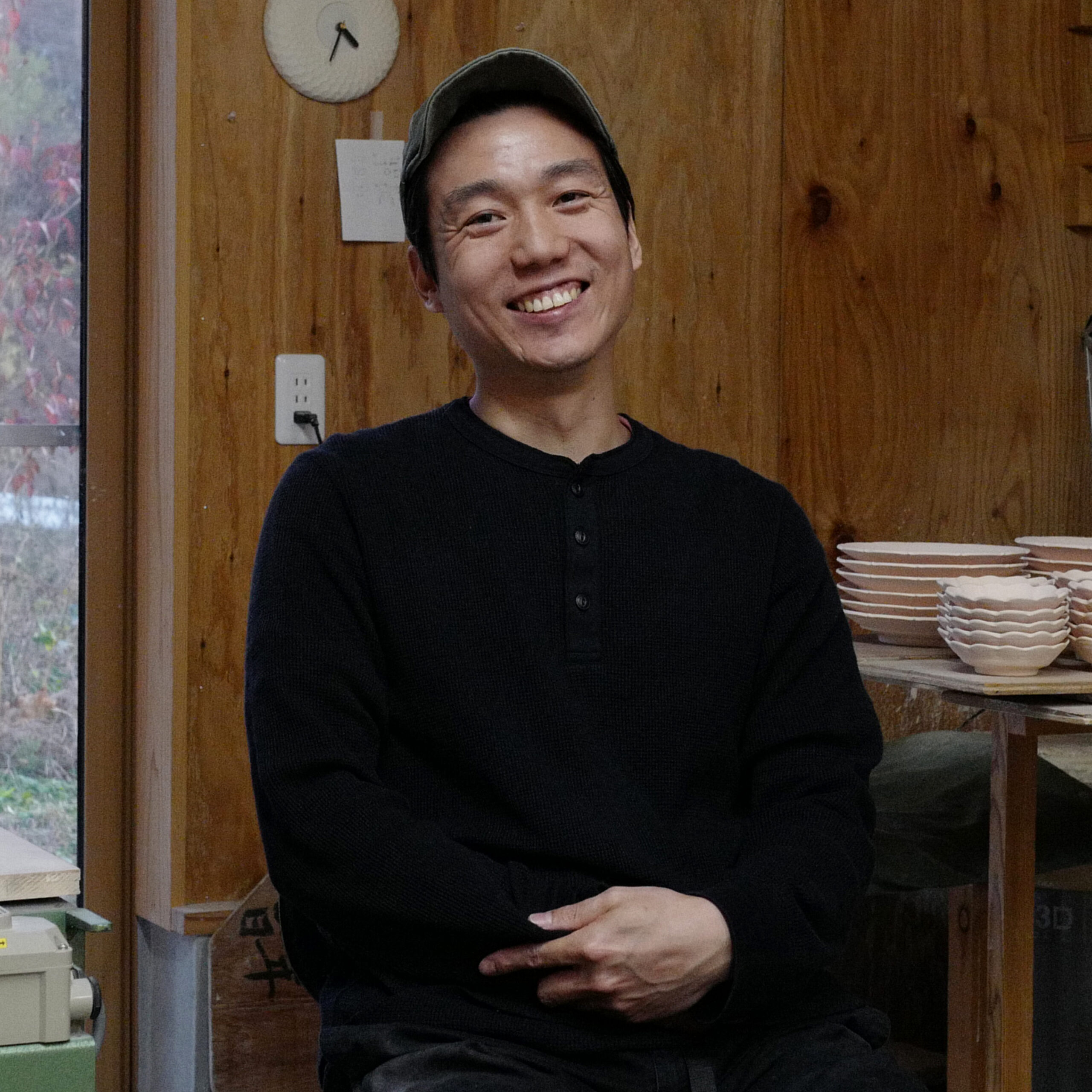
焼き物をやっています、阿部春弥といいます。
I’m Abe Haruya, and I’m a potter.
陶芸家になったきっかけは何ですか?
What led you to become a potter?
父が陶芸をやっていたことで、感覚として陶芸が身近だったのが一番の理由です。実際は自分がやるのとそばで見ているのはまた全然違いましたが、自分でやってみて魅力が大きかったというのが続けている理由なんだと思います。
The main reason was that it felt familiar to me since my father was a potter. Of course, practicing it myself was quite different from just watching, but I found it even more compelling when I tried it firsthand, which is why I’ve continued.
作品作りでも、生活そのものでも、どのようなものから影響を受けますか?
What influences do you draw from, whether in your work or daily life?
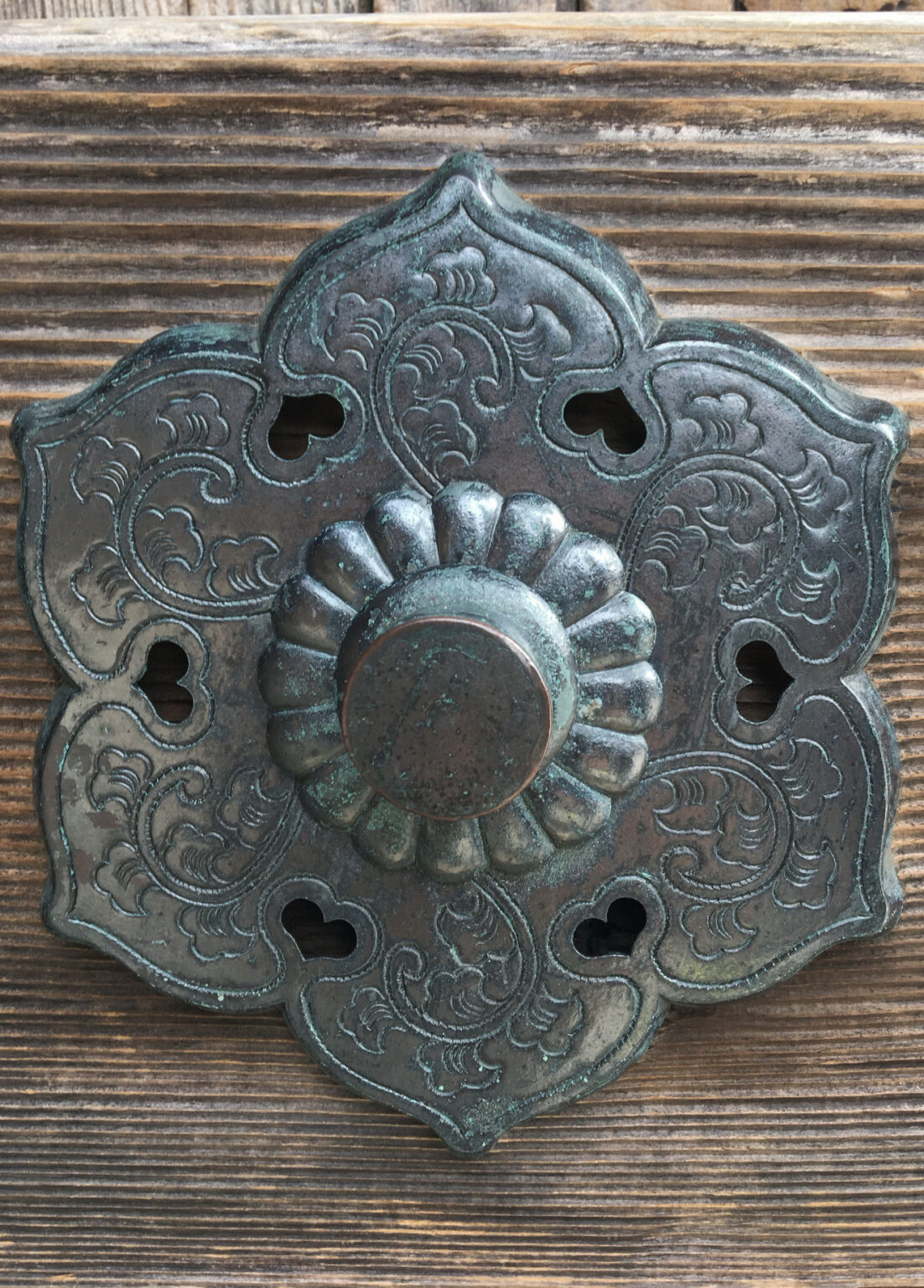
割と古いものが好きです。例えば江戸時代に作られて現代まで残っているものには、残っている理由があるのだと思います。長年、人に愛されてきたものに影響を受けることが多いですね。
I’m often drawn to older objects, such as items from the Edo period that have endured to the present day—there’s a reason they’ve lasted. I find inspiration in things that have been cherished for generations, as they carry a sense of timelessness and enduring value.
美術や陶芸からの影響が大きいですか?
Do these influences usually come from fine art and ceramics?
陶芸のものが多いには多いです。でも、絵を見たりもします。東京に行った時には国立博物館に行こうと思ったり。あとは石の彫りや瓦の彫りの文様を見るのも好きですね。それが直接、器になるというわけではないですが、ニュアンスなどから潜在的に影響を受けているんだと思います。
I draw a lot of inspiration from ceramics, but I also enjoy observing paintings and the intricate details of objects, such as carved patterns on stone or roof tiles. While these elements don’t directly influence my work, they impact me at a subconscious level.
影響を受ける作品は、日本やアジアのものが多いですか?
Do you tend to focus on Japanese and other Asian works?
日本のものやアジアのものが多いですが、ヨーロッパのフランスのものやイギリスのものも見ますね。
I often explore Japanese and other Asian works, but I’m also interested in European pieces, such as those from France and England.
ポジティブな点でもネガティブな点でも、現在の日本国内における陶芸の価値について何か思われることはありますか?
What are your views on the current value of ceramics in Japan?
最近は、同世代やそれよりも若い方達が、手作りでひとつひとつ作っているものに対して興味を持ってくれているとすごく感じます。美術工芸品のような、自分たちの暮らしとは関係ないものとしての興味というより、もう少し身近に感じて、ひとつずつでも好きなものを生活に取り入れようという意識の方が増えてきているのはとても嬉しいですし、作り手も使い手の方に寄り添うような空気感があるのは良いことだと思っています。
Lately, I’ve noticed a growing interest among younger generations in handmade items. They’re embracing pieces they genuinely connect with and integrating them into their lives, which feels incredibly encouraging. It’s great to see this shift in mindset within young people, fostering a sense of mutual connection between creators and users.
阿部さんは日用的なものへのこだわりや意識を強く持たれていると感じました。日用的なものとそうでないものとの線引きはありますか?
I was struck by your commitment to objects for daily use. Do you see a clear distinction between the everyday and the special, or do they naturally overlap?
自分が作るものに関しては、意識していますね。日用とそうでないものの線引きは「緊張しないで手に取れるか」だと思っています。僕は無意識に触れられるものを作りたいと思っています。見るものに関しては、物に対して日用的かそうでないかを判断するのはおそらく受け手の方だと思うので、あまりこだわりはなくて。触れられるものとして受け取ってもらえるのであれば、作り手としてより嬉しいかなと思います。
In my own work, I consciously draw that line, aiming to create pieces people can engage with effortlessly and without hesitation. However, when it comes to purely visual pieces, I don’t focus on whether something is essential to their daily life or not—that depends on the viewer’s personal values. For me, having people regard my work as something to interact with daily brings me joy.
生活でも仕事でも、オンオフをつけない
陶芸とデザインにはどのような接点があると思われますか?
What are your thoughts on the intersection between pottery and design?
最近、デザインと陶芸の繋がりを考えるきっかけがありました。一つは「モノそのもの」に直接つながるという意味でのデザイン。それは自分がどういうものを作りたいかで、例えば料理を盛るものだとか、道具としてのデザインだとか。
もう一つデザインしているなと思ったのは、自分の作業の仕方ですね。同じものをいくつもいくつも作るということが多いんですけど、そのためには「どこまでやるか」ということを決めないと作れないんですよね。
Recently, I’ve had the opportunity to reflect on the relationship between design and pottery. At its core, design directly influences the object itself—whether I aim to create dishes for serving food or tools with a specific function.
However, I’ve also come to realize that design extends to how I approach my work. Since I often produce multiples of the same item, I need to set clear boundaries on the amount of work I take on.
たしかに、作業工程の構築にも、デザインの考え方と近いものがありますね。
That’s true—design exists not only in the final product but also in the very act of creation itself.
その1日の中でどのような作業をどうやるかを決めるのもデザイン。形に関するデザインと、「こういう風に作業した方が自分に合っているな」っていうデザインはしているなと思います。
Designing your workflow and timeline is a significant aspect of the process. I’m continually reevaluating, adjusting, and fine-tuning them to determine what works best for me so that I can maintain balance and productivity.
日々、今日あったことを振り返ることはありますか?
Do you often reflect on what you did the day before?
意識はしていないんですよね(笑)過ぎたことはしょうがないので、今日ここまで進めなきゃいけない、という目標設定を一応します。
話がちょっと飛ぶんですけど、「仕事と暮らしが一緒の空間で動いていると、オンオフをつけづらいですよね」とはよく言われるけれど、僕は逆にオンオフをつけていないんです。仕事をしている時間、暮らしの時間、って決めてなくて、どっちもごっちゃに、と思っていて。その中でもやっぱり締め切りがあるので、ここまではやらなきゃいけない、っていうのはどうしても出てきます。でも、オンオフをつけようと思うとかえって苦しくなってしまうので、オンオフをつけないように生活もしてるし、仕事もしています。
Not really. I tend to believe that what’s in the past stays there, so I focus on setting daily goals.
Once I’ve achieved them, I consider the day complete. Since my workspace and living space exist in one place, people often mention the difficulty of separating work from life. However, I don’t try to enforce a strict divide. I don’t separate “work time” from “life time”—they flow together organically. While I do have deadlines to meet, I’ve found that forcing a clear boundary between work and life creates unnecessary pressure. Instead, I try to embrace a lifestyle where the two coexist naturally.
体を動かしながら、新しいことを考える
日々の作業では思考的な作業をしていないと言っていましたが、思考する時間は自分で意識的に作っていますか?
Earlier, you mentioned your daily work isn’t mentally demanding. Do you intentionally set aside time to think?
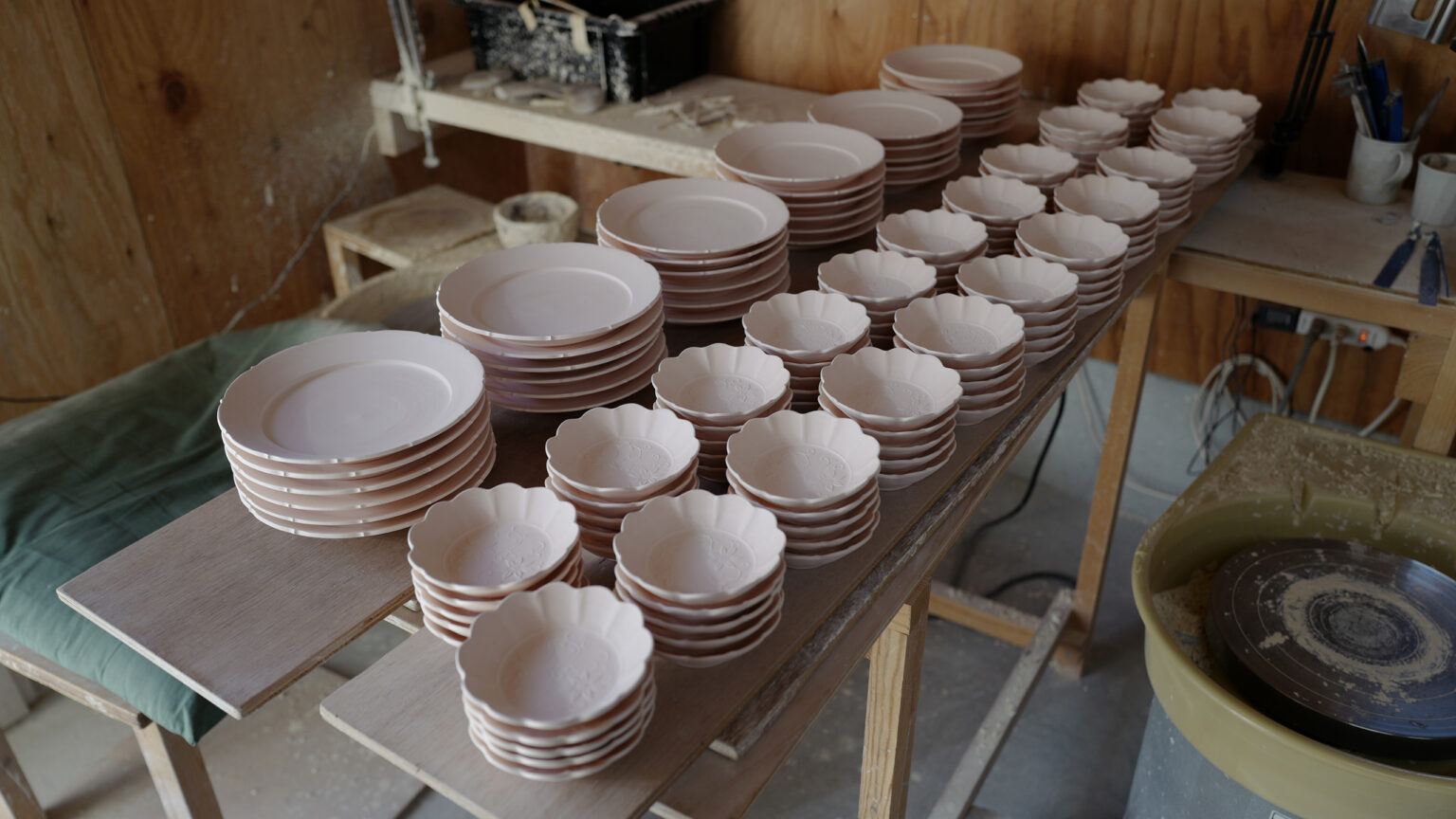
いつ、というのは決めてないです。例えばろくろでお皿をたくさん引いてる時に、一人で作業する時間もあるんですけど、そういう時には次どういうの作ろうかなとか、アイデアを練りながら、体とは違う動きをしながら頭が他のことを考えている。そうやって何か思いついたらメモしておいて、後日、あるいは1年くらい後にまた新しいもののアイデアと繋げていくということが多いですね。だから「ここは新しいものを考える時間」という風に決めてはいません。流れの中でひらめいたことをメモしておいて、それを掘り下げる時間はまたどこかであって、ということの繰り返しです。
I don’t set aside time specifically for thinking. For example, when I’m making a large batch of plates on the wheel, I often find myself physically engaged but mentally reflecting on other things, like what to create next. I jot down any ideas that come to mind and revisit them later—sometimes even a year later—either building on them or connecting them to new concepts. It’s less about scheduling time to think and more about capturing ideas as they arise and exploring them when the time is right.
身体的に動いている中で考えているってことですよね。昔からそうなんですか?
I see, you let your mind wander while doing repetitive tasks. Have you always done that?
元々そうだと思います。昔から何かをやりながら、他のことを考えていましたね。作品を削り出している間は体も動いてるんですけど、思考的には空いてる。その空き時間に別のことを考えているみたいなことが多いですね。新しいものを考えようと思って机に向かっていても、他の新しいことはひらめいてこないと思います。
I think I’ve always been that way. I often find myself thinking about other things while engaged in physical tasks. For example, when I’m trimming a piece, my hands are working, but my mind is often elsewhere—reflecting or generating ideas. I’ve realized that sitting at a desk to think rarely sparks new ideas for me.
なるほど、面白いですね。
That’s interesting.
すごく集中していると思われる作業が多いんですけど、自分的には全然集中していなくて。緊張していると体が自由に動かなくなるので、リラックスしていないとできないんですよね。例えば、制作しているところをビデオで撮るとなったら、初めのうちは緊張していつも通りできないんです。リラックスした状態の方が作業が進むし、頭で別のことを考えられる。そういうやり方が僕には合っているのかな。
Most people assume that working with pottery demands intense focus, but for me, it’s quite the opposite—I need to be relaxed. If I’m tense, my body feels restricted, making it difficult to work smoothly. For instance, when I’m being filmed, I often get nervous and can’t perform as naturally as I usually do. Staying relaxed not only helps my body move more freely but also lets my mind wander, which I find most effective.
生活の中でストレスを感じることはありますか。
Do you feel stress in your daily life?
納期に関してのストレスはありますが、基本的にストレスはないんだと思います。暮らしていてもストレスはあまり感じません。納期が近くなってくるとイライラしがちですが、それぐらいですかね。
I think I live a relatively stress-free life. I admit that I tend to get irritable when a deadline is approaching, but that’s about it.
ストレスを感じる要因は納期だけということが分かっているのは、理想的で良いですね。自分への雑音みたいなものを減らしているのかなと。
Having deadlines as your only source of stress seems like an ideal setup. It sounds like you’ve refined your daily life.
それはすごくあります。社会の中で生きていくという部分では欠けてる部分なのかもしれないと思いますが、自分が納得しないと結構動けなかったりしますね。
田舎に住んでいると、地区の活動に出なきゃいけないこともあるんですけど、「ずっと続いてきたものだから」という理由だけでは、なかなか自分の気持ちが向かわないということはあります。でも一方で、自分が納得できさえすればそれで良いんだろうなと思っていて。だから自分の暮らし方でも、自分が納得できたり理解できたらそんなに嫌なことはないですね。
Yes, I think so. However, perhaps it’s also a flaw in how I function within society. For example, if I’m not fully convinced by something, I struggle to move forward with it. Living in the countryside comes with certain community obligations, but when I can’t agree with them, it’s hard to stay motivated just because “that’s how it’s always been.” As long as I can agree with the underlying intentions, I’m completely at ease with it.
今後、地方はどうあるべきだと思いますか。
From your perspective, how do you think a rural neighborhood should function as a community?
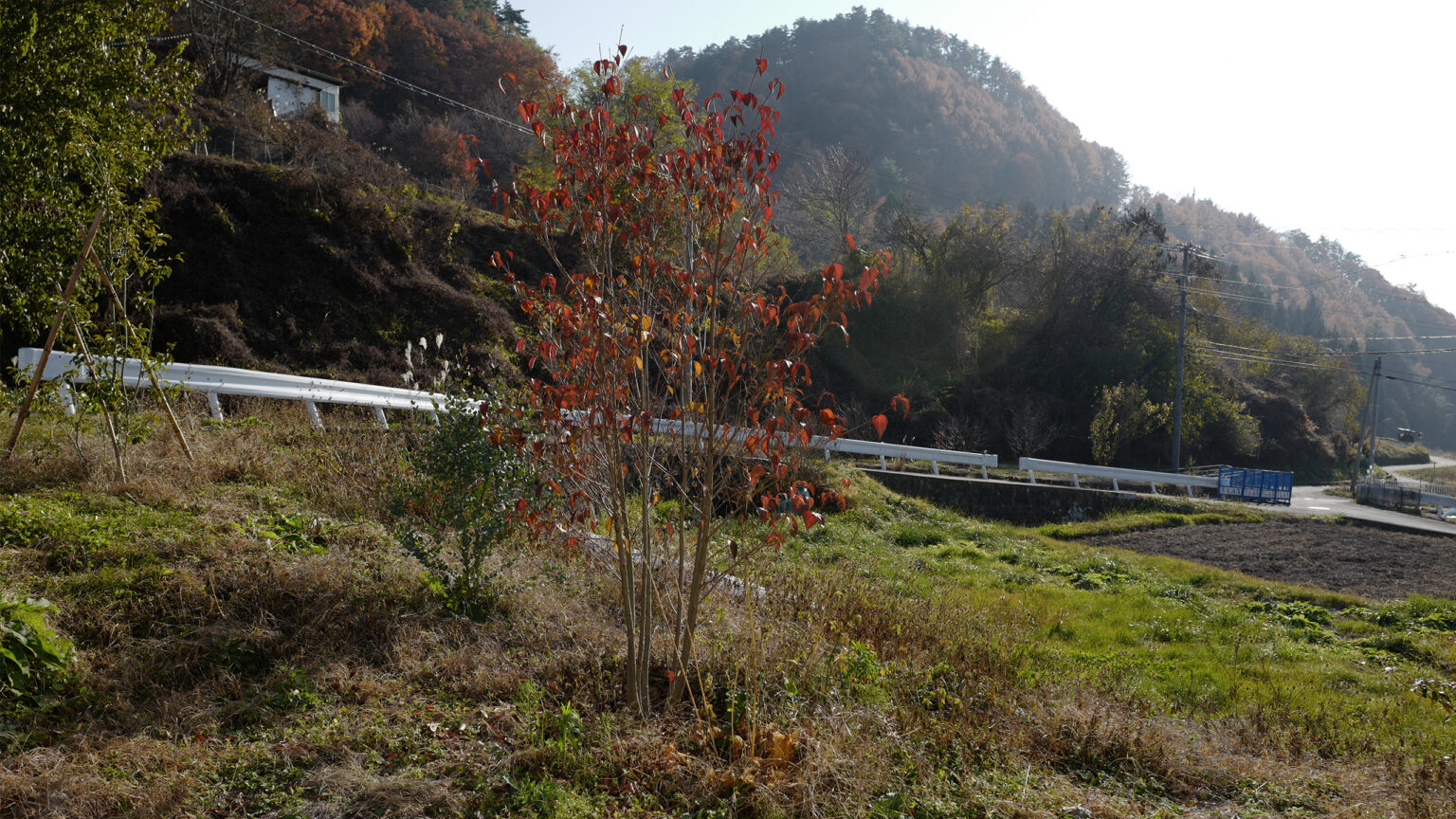
僕も全然何かできている訳ではないですが、こうだったらいいなというのはあります。人それぞれ働き方も暮らし方も違うということを、みんなが受け入れられたらいいなと思います。僕がここに住んでいて思うのは、例えば仕事だったり、趣味だったり、色んなスキルを持っている人がいるのに、「みんな地域の一員だから同じ仕事をしよう」という雰囲気があって。もうちょっと適材適所にできるような仕組みがあったら、もっと地方って暮らしやすくなるし、元々持っている自然をはじめとした豊かなものがもっと生かされるのではないかなと思います。ただ現状では、「ずっとそうやってやってきたから」というような伝統が少し強いような気はします。
話が逸れますが、僕は消防団員なんです。僕の時代は、良い悪いじゃなく、とりあえず歳になったら入る、というような感じで消防団に入ってる人が多いので、消防の活動が好きな人とそうじゃない人がいて。それに加えて割と部活的な性質があるので、若い人はやっぱり入ってこないんです。それを変えていかなきゃいけないという気持ちはみんなにありますが、どこから、何から変えていけばいいのか分からない。だから自分たちの代だけそのまま過ぎればいいかな、という空気感があります。
それを何か上手いことデザインして、20年後に自分たちの子供たちの世代に引き渡すとき、「消防団っていいよ」って言ってあげられるようなデザインができたらいいのにな、と思います。
I don’t think I’m doing anything particularly remarkable myself, but I do have some thoughts on how things could improve. I believe it would be beneficial if people could better accept that individuals have different talents. Here in the countryside, there’s a wide range of skills and hobbies among residents, yet people are often placed into the same roles simply because they belong to the community. If we could align people’s talents with roles that suit them better, rural life could become more fulfilling, and we could make better use of the natural resources and the richness already present here. Unfortunately, the weight of tradition still makes change difficult.
On another note, I’m part of the local fire brigade, which has long been an expected duty for men once they reach a certain age. While some genuinely enjoy the work, many don’t, and the sports team-like culture can be unappealing to younger people. Everyone recognizes the need for change, but no one seems to know where to start. I hope we can rethink the system. That way, 20 years from now, we can pass on the brigade in a way that makes younger generations feel proud and motivated to be part of it.
生活において一番大事にしてることはありますか。僕は色んなことをやっている中で、特に自分にとって何が一番大事なのかちょっと見失いやすくなるんです。
What is most important to you in your daily life?
ストレスを溜めないことですかね(笑)。生活にとって大事なこと…多分無意識には思ってると思うのですが、それが何かと言われると難しいですね。
でも特に子育てをしているので、仕事の忙しさを理由に、今しかない、今しかできないことを逃してるなと時々思います。子育てをしてる今の今を切り取ると、これではいけないし気をつけないといけないと思います。
Avoiding stress is crucial. Honestly, I think I have a vague sense of what matters most to me, but it’s difficult to put into words. Since I’m raising kids, I sometimes feel that work pulls me away from moments I’ll only experience once. I want to be more mindful and fully present during the fleeting moments of parenthood.
毎日作品を作られている中で、作り手として重要なことは何だと思いますか?
What do you think is the most essential aspect of being a creator?
僕は同じものをいくつも作る仕事をしていますが、「ひとつひとつ」という意識を持つことを大事にしています。僕にとっては「いくつも作る内のたったひとつ」ですが、使う人にとっては「たったひとつの内のたったひとつ」です。それが全てなので、それぞれに対して手を抜けない、という想いで作っています。
For me, the most important aspect is treating each piece as one-of-a-kind, even when producing multiple identical works. Every piece becomes a unique experience for the person who uses it. That’s why I never cut corners—I give my full attention and care to every piece I create.
最後の質問ですが、未来における陶芸の役割はあると思いますか。あるとするなら、どのような役割があると思いますか。
Lastly, I’m curious about your perspective on the future of pottery. Do you believe its role will evolve, or do you think it will remain the same?
役割はあってほしいです。やっぱり現実の「もの」なので、それが暮らしにあることによって、ほんの少し生活が豊かになったり、豊かな気持ちを持てたりする。例えば、朝ご飯はこのお茶碗で食べる、というような豊かさがほんのひと助けでも良いのであってほしいですし、これからもそういうものであってほしいと思っています。
I hope pottery will always have a place. As a tangible, physical object, it has the power to bring a sense of richness to everyday life, even in subtle ways. For example, using a particular bowl for breakfast can make the experience feel just a little more special. I hope pottery continues to offer that kind of meaningful value in the future.
Interviewed: 2020.11.17
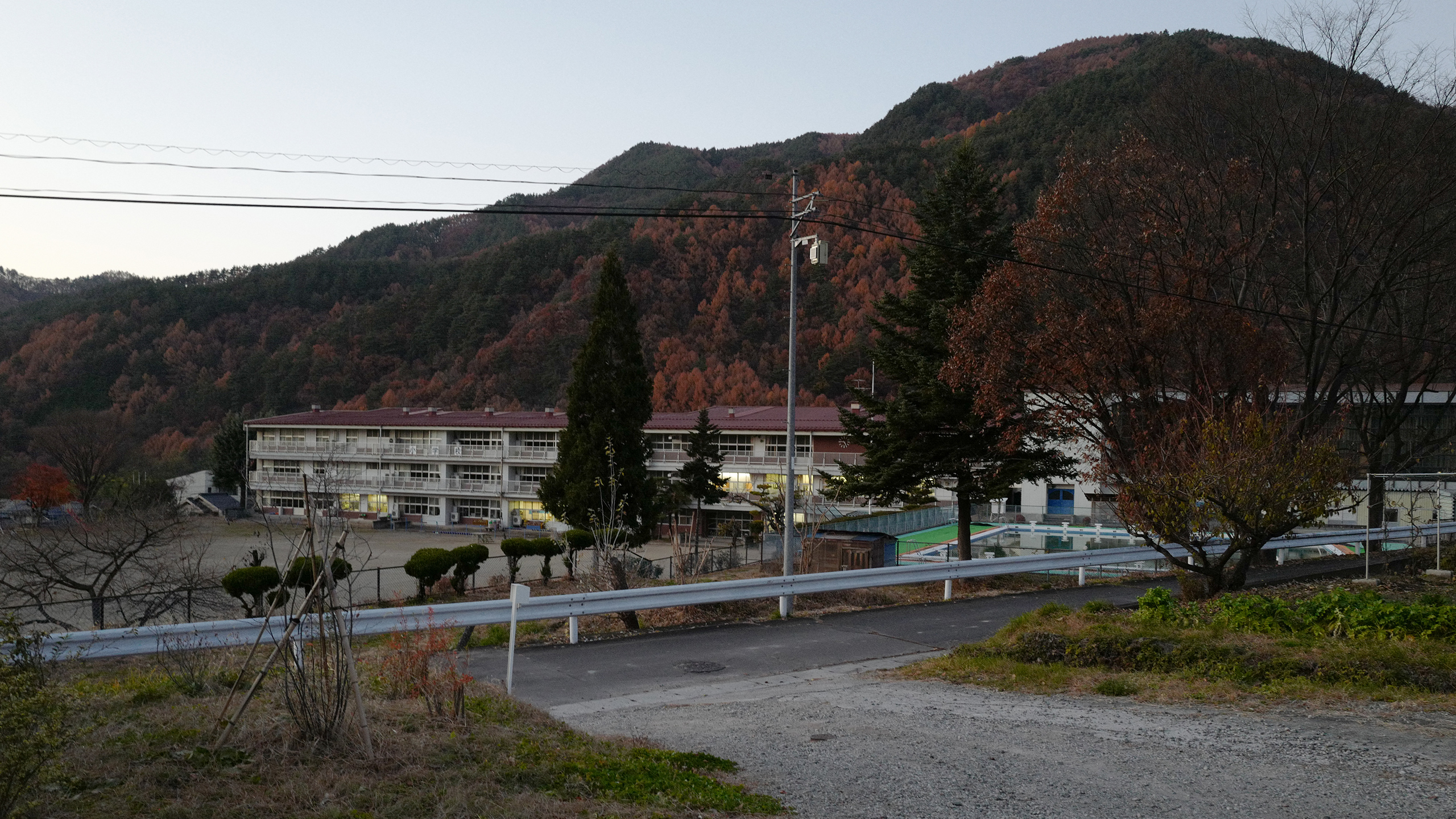
Place: 阿部春弥アトリエ、長野Haruya Abe Atelier, Nagano
Share: Facebook, Twitter
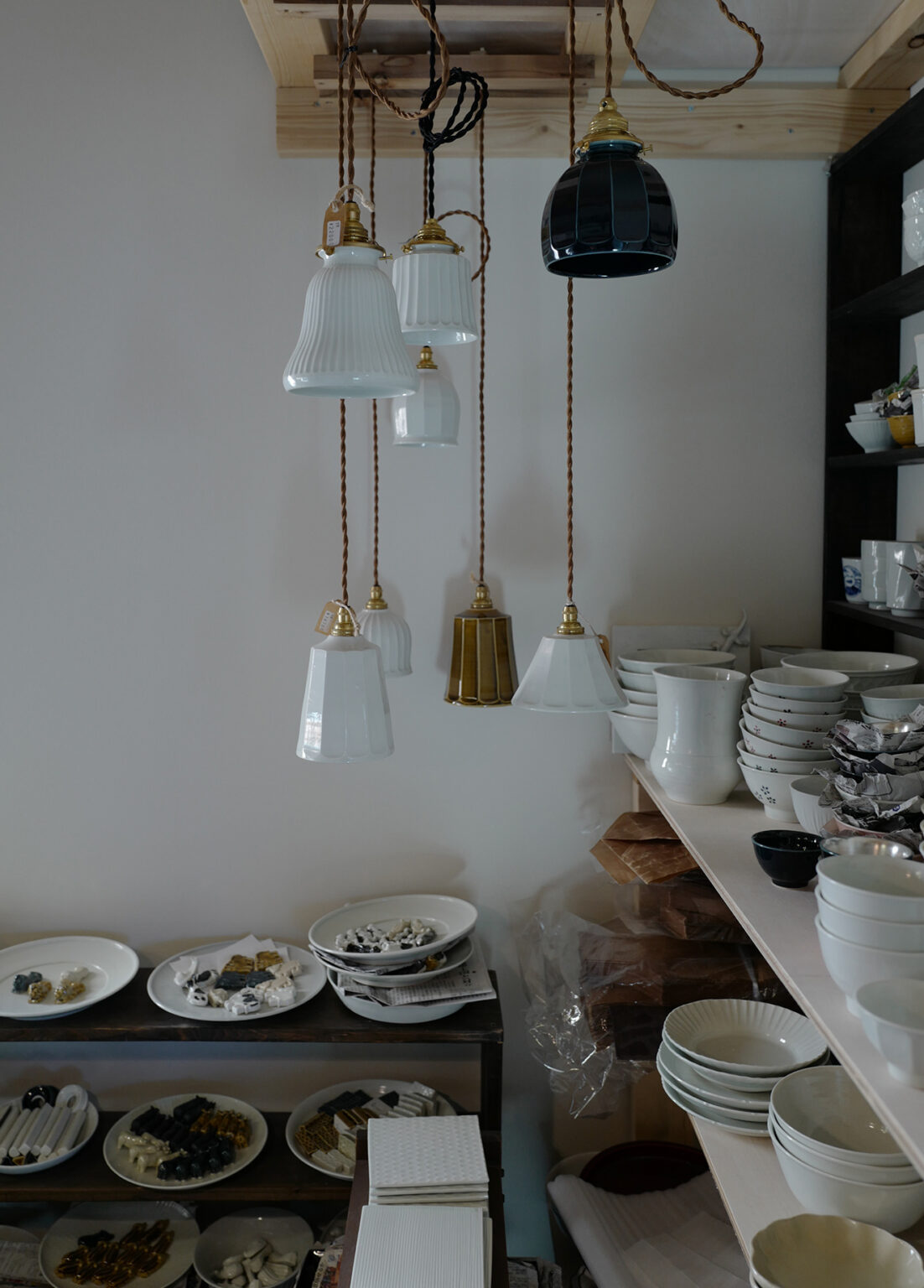
長野に三水館という宿がある。椅子、ランプ、器。どれをとっても丁寧に選んでいる主人の感性に惹かれ、季節ごとにお世話になっている。そこで出会ったのが春弥さんの器だった。
華美なところがなく、生活とのつながりを感じる。潔さ。てらいのなさ。器を眺めていると、つくり手の暮らしが浮かんだ。春弥さんを紹介してもらえないかと主人に頼んだところ、「丸山さんと気が合うかもしれませんよ」という。東京でFormSWISS展をやっていることを伝えたら、家族で見に来てくれて、そのあとでぼくと家族でお家兼工房にお邪魔した。Formのギャラリーで来客に出す器の多くは、春弥さんのものを使っている。
生活の中で一緒にいたい。春弥さんの器を初めて見たとき、そう感じた。春弥さんの工房のすぐ上には、暮らしがある。生活と仕事がなめらかにつながっている。いいデザインとは、まさにそういうところから生まれるのではないか。春弥さんの器を使うたびに、そんなことを考えさせられる。(丸山新)
There is a inn in Nagano called Sansui-kan. Whether it's the chairs, the lamps, or the tableware, I find myself drawn to the owner's thoughtful eye for curation, and I return there with each changing season. It was there that I first encountered Haruya's work.
Nothing about his pieces feels excessive. There's a quiet connection to everyday life — a sense of clarity, an absence of pretense. As I sat looking at his bowls and cups, I found myself picturing the life of the person who made them. I asked the owner if he might introduce us, and he said, "You and Maruyama might get along quite well." When I mentioned that we were holding a FormSWISS exhibition in Tokyo, Haruya came with his family to see it. Afterward, my family and I visited his home and studio. Many of the pieces we set out for guests at Form's gallery are his.
I want to live alongside these. That was my first thought when I saw Haruya's work. Just above his studio is where his family lives. Life and work flow into each other without a seam. Isn't that exactly where good design comes from? Every time I reach for one of his pieces, it brings me back to that thought.
(Arata Maruyama)

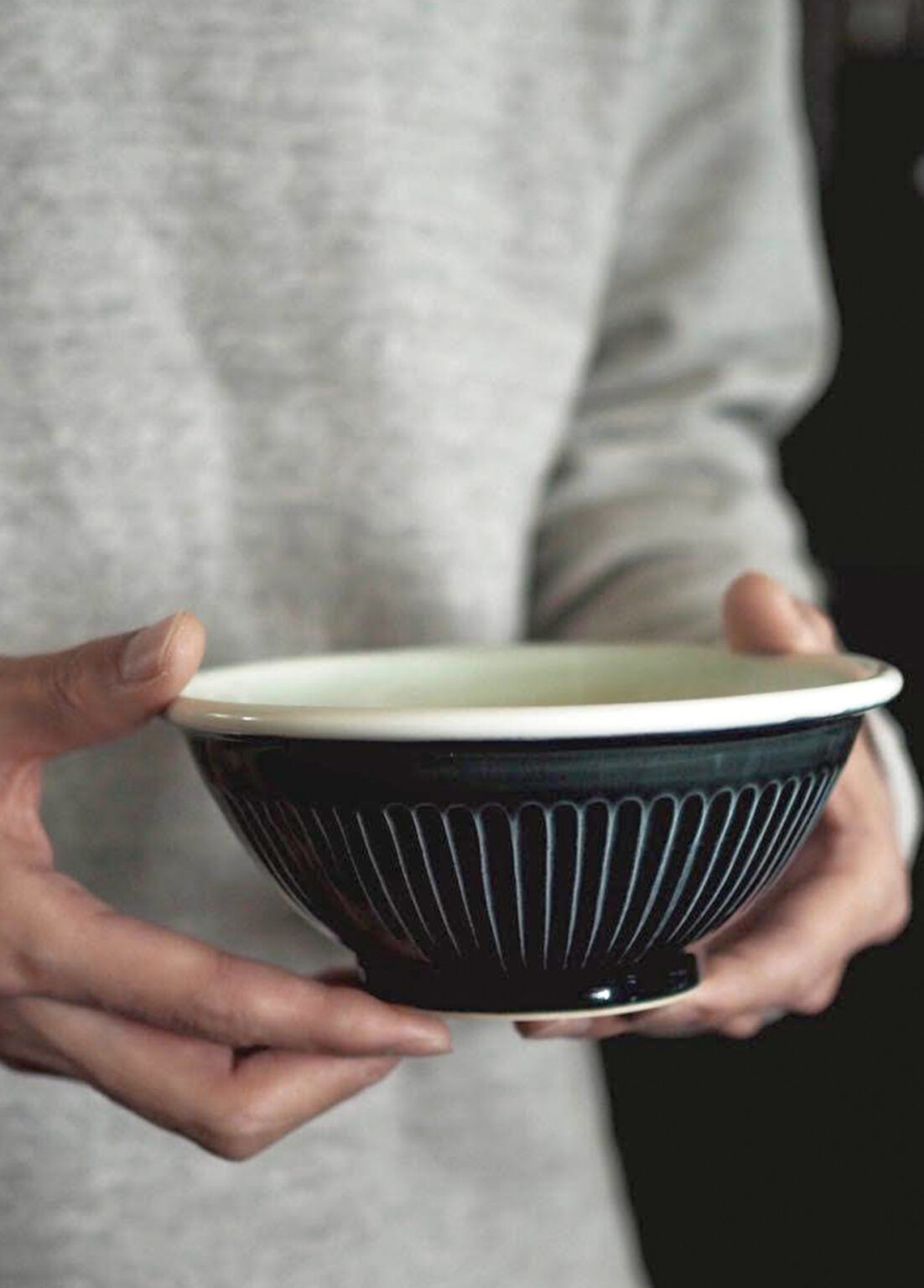
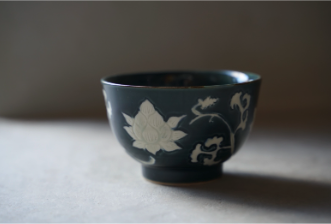
淡ルリ掛け分蓮唐草文飯碗
bowl (porcelain)
porcelain with design of a lotus flower in reserve against the cobalt blue ground
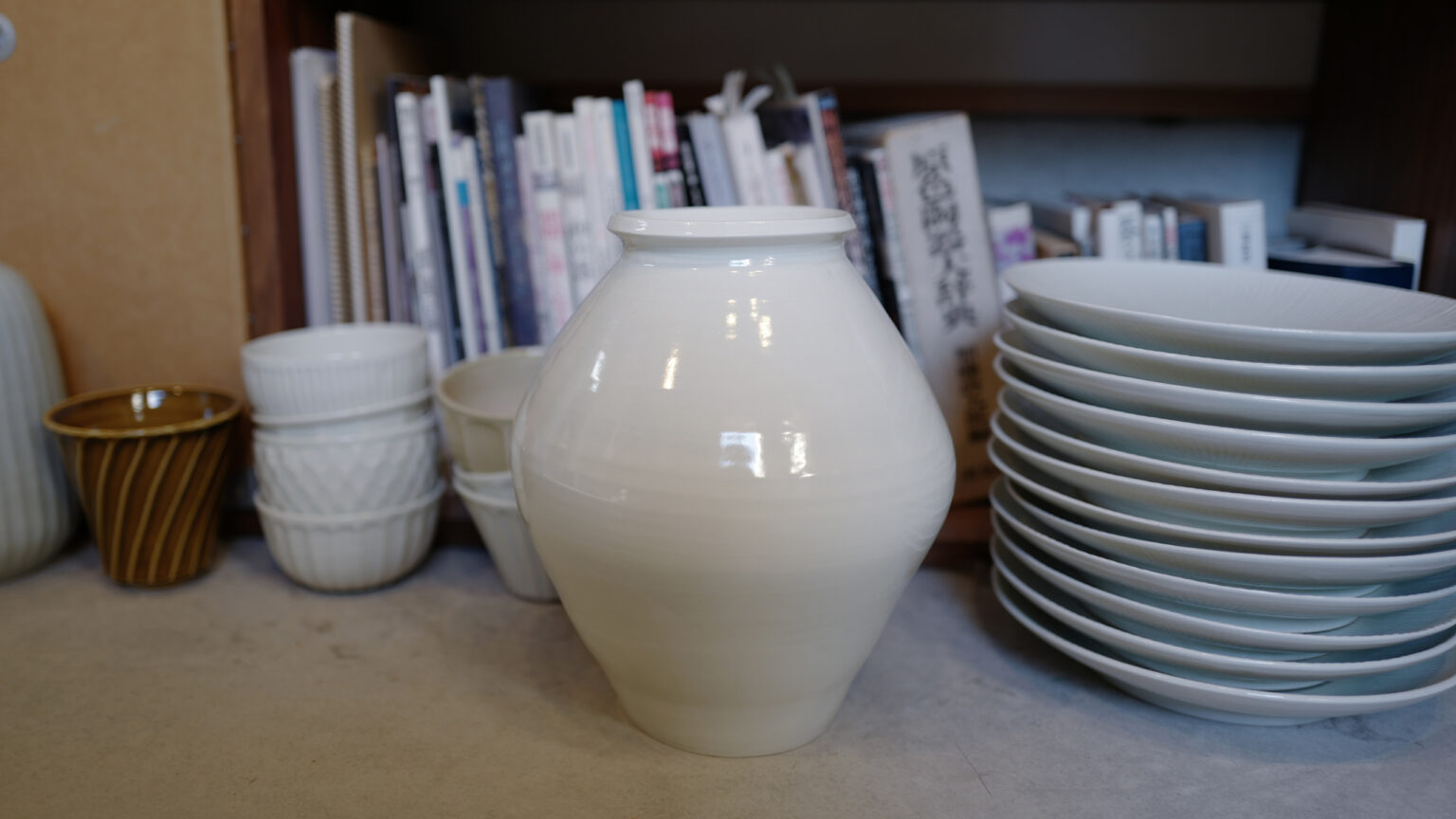
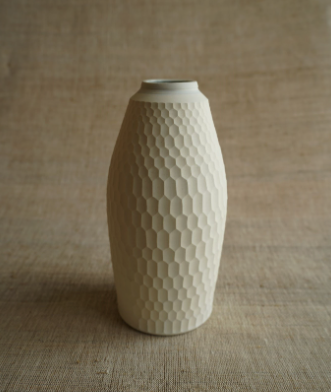
無釉しのぎ亀甲花器
flower vase
Unglazed, honeycomb-patterned scraped vase

 #5
#5